


| SNo. | Scientific Name | Locality | Habitat | Basis of Record | Description | Recorded By | Record Number | Island | Source | Date |
|---|---|---|---|---|---|---|---|---|---|---|
| 1 | Cyanea undulata | Locality redacted. Contact Bishop Museum Botany Department for details | Preserved_Specimen | Forbes, C.N. | 292 | Kauai | BISH | 1909-08-01 | ||
| 2 | Cyanea undulata | Locality redacted. Contact Bishop Museum Botany Department for details | Preserved_Specimen | Forbes, C.N. | 292 | Kauai | BISH | 1909-08-01 | ||
| 3 | Cyanea undulata | Locality redacted. Contact Bishop Museum Botany Department for details | Preserved_Specimen | Forbes, C.N. | 292 | Kauai | BISH | 1909-08-01 | ||
| 4 | Cyanea undulata | Locality redacted. Contact Bishop Museum Botany Department for details | Preserved_Specimen | Forbes, C.N. | 292 | Kauai | BISH | 1909-08-01 | ||
| 5 | Cyanea undulata | Locality redacted. Contact Bishop Museum Botany Department for details | Preserved_Specimen | Forbes, C.N. | 292 | Kauai | BISH | 1909-08-01 | ||
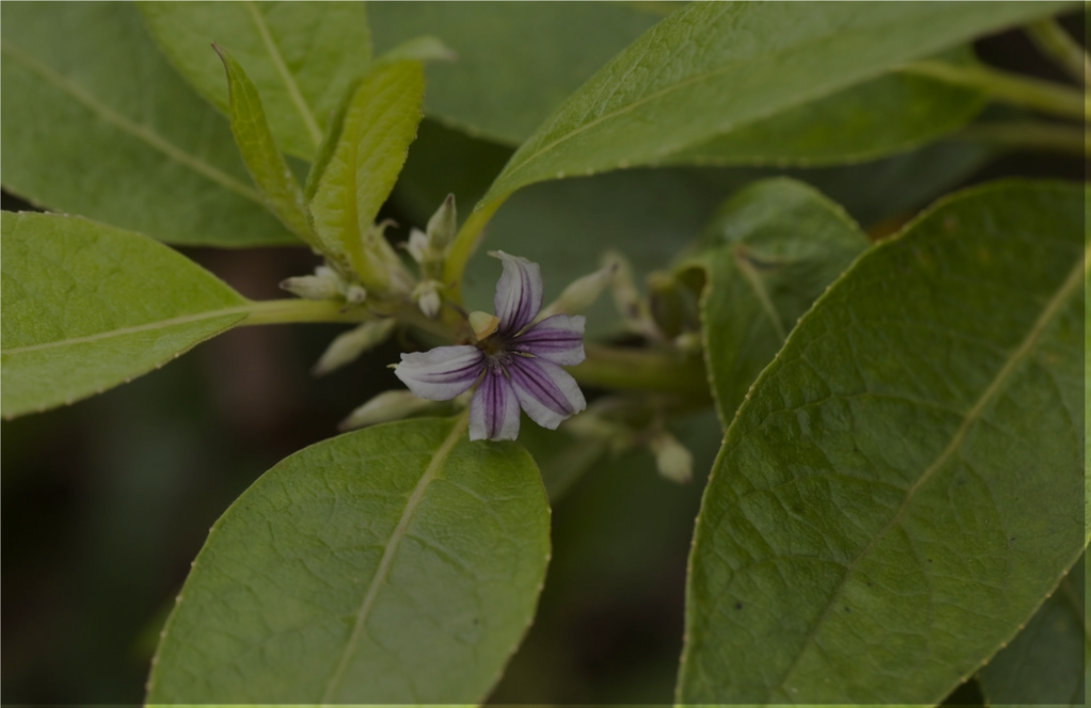
| 6 | Cyanea undulata | Locality redacted. Contact Bishop Museum Botany Department for details | Wet forest dominated by Metrosideros, Antidesma, Cyrtandra spp., and Athyrium. | Preserved_Specimen | Shrub of six ft, tow stems branched at base. Leaves dark, dull green, almost blackish-green above, paler below with yellow-green midrib; margins undulate. Corolla in bud yellow-green with purplish colouration at base. bud slightly rugose in upper 1/4. See Flynn 2929 | Flynn, T.W. | 2983 | Kauai | BISH | 1988-05-22 |
| 7 | Cyanea undulata | Locality redacted. Contact Bishop Museum Botany Department for details | Metrosideros, Dicranopteris, Cheirodendron, Cyanea sylvestris, Broussaisia, Viola helenae, Labordia tinifolia, Psychotria, Cyrtandra pickeringii, Phyllostegia electra, Pritchardia, Scaevola mollis, Diplazium, Melicope feddei, Tetraplasandra | Preserved_Specimen | 2 m shrub; leaves narrowly elliptic, blades 40x7-9 cm, upper glabrous, lower pubescent, margins undulate, apex acuminate, base attenuate; winged petiole 5 cm long; inflorescence pubescent | Perlman, S. | 17893 | Kauai | BISH | 2002-01-15 |
Lorem ipsum dolor sit amet, consectetur adipiscing elit, sed do eiusmod tempor incididunt ut labore et dolore magna aliqua. Ut enim ad minim veniam, quis nostrud exercitation ullamco laboris nisi ut aliquip ex ea commodo consequat. Duis aute irure dolor in reprehenderit in voluptate velit esse cillum dolore eu fugiat nulla pariatur. Excepteur sint occaecat cupidatat non proident, sunt in culpa qui officia deserunt mollit anim id est laborum.
Lorem ipsum dolor sit amet, consectetur adipiscing elit, sed do eiusmod tempor incididunt ut labore et dolore magna aliqua. Ut enim ad minim veniam, quis nostrud exercitation ullamco laboris nisi ut aliquip ex ea commodo consequat. Duis aute irure dolor in reprehenderit in voluptate velit esse cillum dolore eu fugiat nulla pariatur. Excepteur sint occaecat cupidatat non proident, sunt in culpa qui officia deserunt mollit anim id est laborum.
Lorem ipsum dolor sit amet, consectetur adipiscing elit, sed do eiusmod tempor incididunt ut labore et dolore magna aliqua. Ut enim ad minim veniam, quis nostrud exercitation ullamco laboris nisi ut aliquip ex ea commodo consequat. Duis aute irure dolor in reprehenderit in voluptate velit esse cillum dolore eu fugiat nulla pariatur. Excepteur sint occaecat cupidatat non proident, sunt in culpa qui officia deserunt mollit anim id est laborum.
Lorem ipsum dolor sit amet, consectetur adipiscing elit, sed do eiusmod tempor incididunt ut labore et dolore magna aliqua. Ut enim ad minim veniam, quis nostrud exercitation ullamco laboris nisi ut aliquip ex ea commodo consequat. Duis aute irure dolor in reprehenderit in voluptate velit esse cillum dolore eu fugiat nulla pariatur. Excepteur sint occaecat cupidatat non proident, sunt in culpa qui officia deserunt mollit anim id est laborum.
Lorem ipsum dolor sit amet, consectetur adipiscing elit, sed do eiusmod tempor incididunt ut labore et dolore magna aliqua. Ut enim ad minim veniam, quis nostrud exercitation ullamco laboris nisi ut aliquip ex ea commodo consequat. Duis aute irure dolor in reprehenderit in voluptate velit esse cillum dolore eu fugiat nulla pariatur. Excepteur sint occaecat cupidatat non proident, sunt in culpa qui officia deserunt mollit anim id est laborum.
Lorem ipsum dolor sit amet, consectetur adipiscing elit, sed do eiusmod tempor incididunt ut labore et dolore magna aliqua. Ut enim ad minim veniam, quis nostrud exercitation ullamco laboris nisi ut aliquip ex ea commodo consequat. Duis aute irure dolor in reprehenderit in voluptate velit esse cillum dolore eu fugiat nulla pariatur. Excepteur sint occaecat cupidatat non proident, sunt in culpa qui officia deserunt mollit anim id est laborum.
Thank you for your interest in submitting an image of
Select your image and leave a brief description of your photo below.